
Peptide Power: Exploring the Future of Regenerative Treatment
What is regenerative treatment?
Regenerative treatments are therapies that stimulate underlying tissues to repair, remodel, and restore themselves. Specifically in skin treatments, rather than simply correcting the visible signs of aging, they target biological processes involved in tissue health, including extracellular matrix remodeling, cellular signaling, inflammation, and vascular support. By activating the skin’s own repair pathways, regenerative treatments aim to improve tissue structure, function, strength, and resilience over time.
What are peptides?
Amino acids are small building blocks that the body uses to form proteins. Peptides are short chains of amino acids that can act as signaling molecules, helping regulate the body’s natural repair and regenerative processes. By interacting with specific receptors, different peptides can trigger targeted cellular responses depending on their structure and function.
How are peptides used in regenerative treatment?
Rather than replacing damaged tissues, peptide treatments focus on creating an environment that encourages the body’s cells to rebuild tissues. Peptides can be designed to send specific signals that encourage the body’s own cells to participate in repair.
Specifically, peptides can act as a temporary scaffolding. They can assemble into tiny fibers that can form a three-dimensional network. This network acts like the extracellular matrix (ECM), allowing cells to attach and grow within this structure. The ECM is a network that surrounds cells and provides a physical structure and signals to influence how cells behave. Researchers can design peptides to reproduce features of the ECM to give cells cues of where to attach and how to grow. The effects of peptides used for regeneration have been investigated in the skin, but much of this has been done in laboratory or animal models, so further investigation is needed.
Different types of regenerative peptide treatments
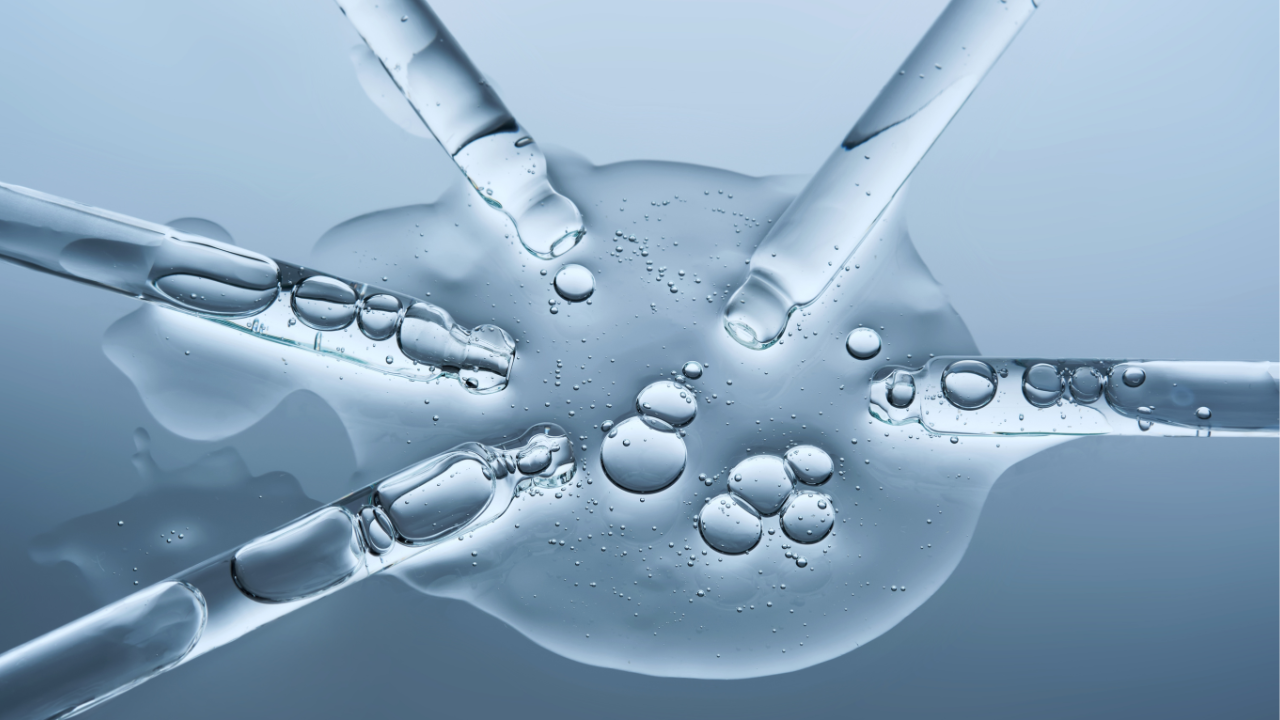
- Peptide-based wound-healing hydrogels: Short, synthetic peptides assemble into a hydrogel, a soft, water-rich gel that can be placed at a wound site. This hydrogel can provide a physical barrier to protect the damaged skin, mimic the ECM, and help regulate the wound environment.
- Copper peptides: A naturally occurring peptide complex, GHK-Cu, has attracted interest because it may influence processes involved in skin repair, including collagen and fibroblast activity, and could be used to help with skin regeneration.
- Growth factor peptides: Growth factors are proteins that tell cells to grow, divide, or form new tissues. Researchers are investigating how shorter peptide sequences can mimic these signals and support wound healing and the formation of new blood vessels. Thus, peptides can be used as messengers to tell cells what to do in addition to providing physical support.
Peptides are becoming an area of high interest in regenerative medicine due to their ability to interact with cells and create environments that encourage the body’s natural healing processes. From hydrogels to signaling peptides, researchers are exploring a variety of ways these molecules can contribute to tissue regeneration. While some peptide therapies have shown promising results, many applications are still being studied.
Recent Posts

Beauty By Dr. Kay Blog
The Beauty by Dr. Kay blog has more great content to stay up to date on all of the newest trends and tips in beauty, lifestyle and health!
